

| Provence's Climate | |||||
| Average Max Temperature (degrees C) | |||||
| May | Jun | Jul | Aug | Sep | Oct |
| 21 | 27 | 28 | 28 | 25 | 20 |
| Average no. days sunshine | |||||
| May | Jun | Jul | Aug | Sep | Oct |
| 23 | 25 | 26 | 23 | 22 | 19 |
Provence Travel Guide – Explore the region from your rented holiday villa
Our holiday villas in Provence will ensure that you experience the beauty and variety the region has to offer. We have the best selection of Provence Holiday Villas – ideal for exploring the magical towns, villages and the coast of this stunning region.
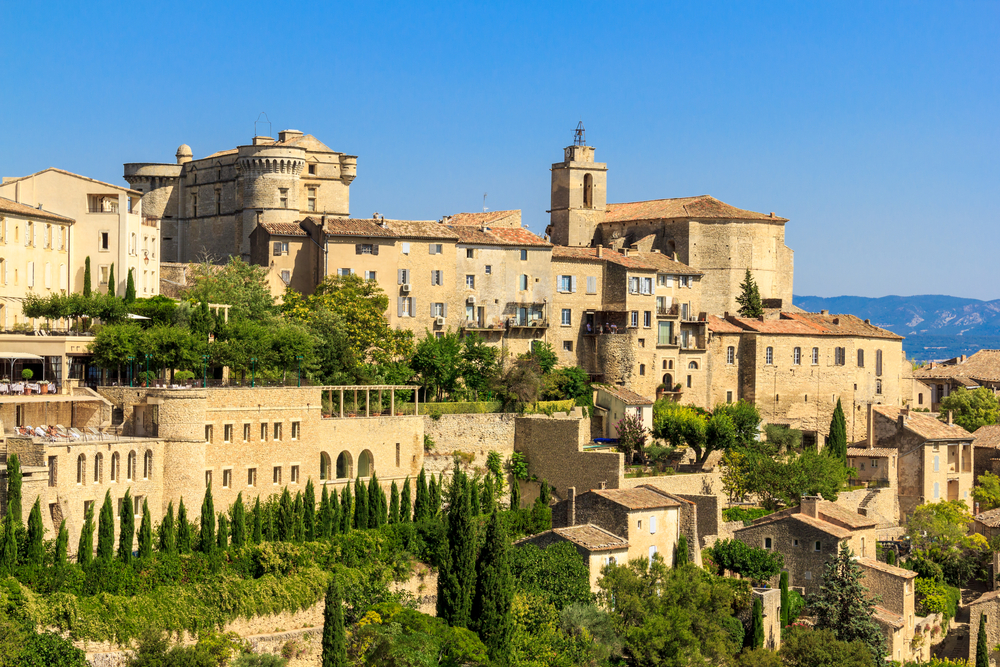
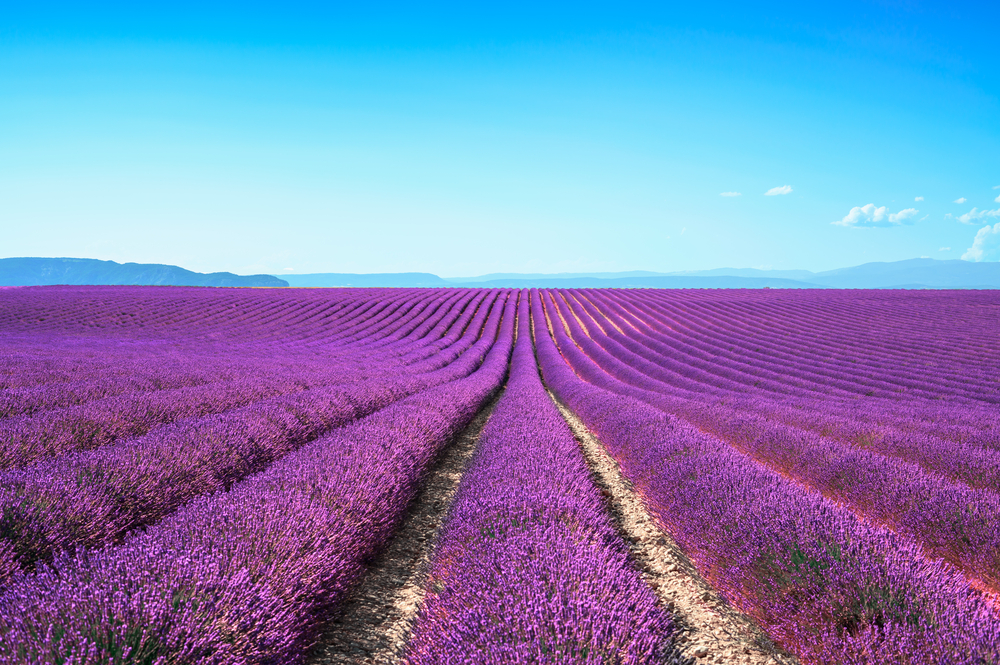
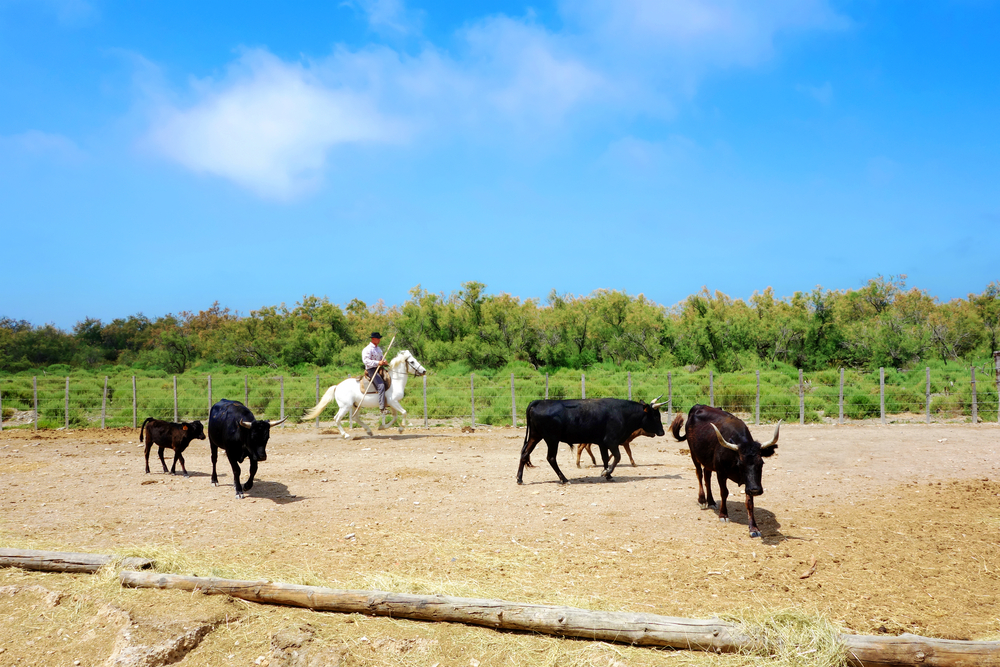
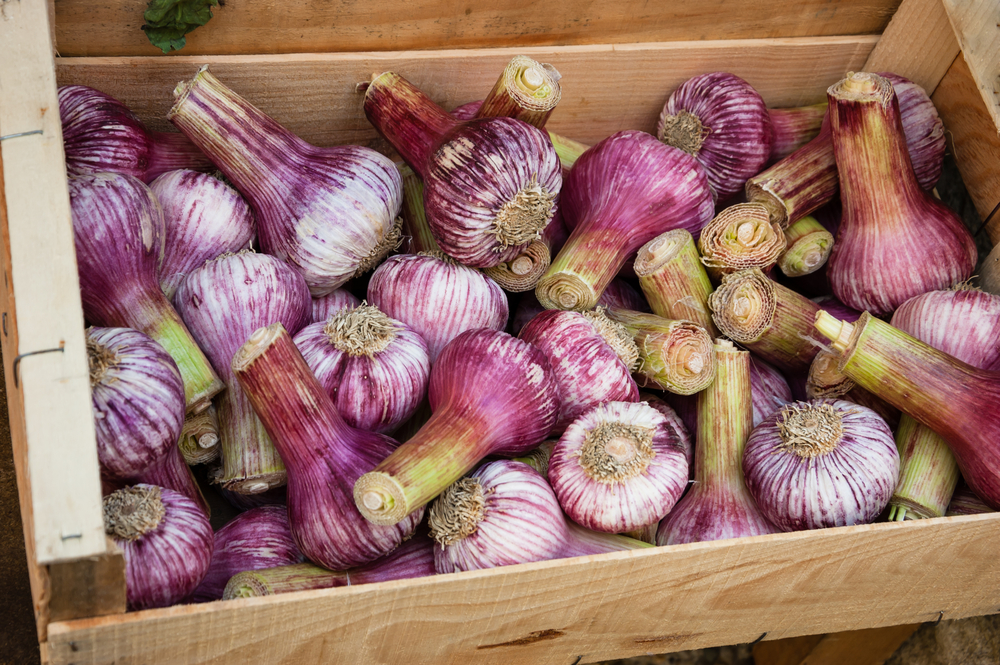
Click on a picture to enlarge, then use the left/right arrow keys to browse
Scroll down to read more about Provence
You may want to consult our page on 'Getting There'
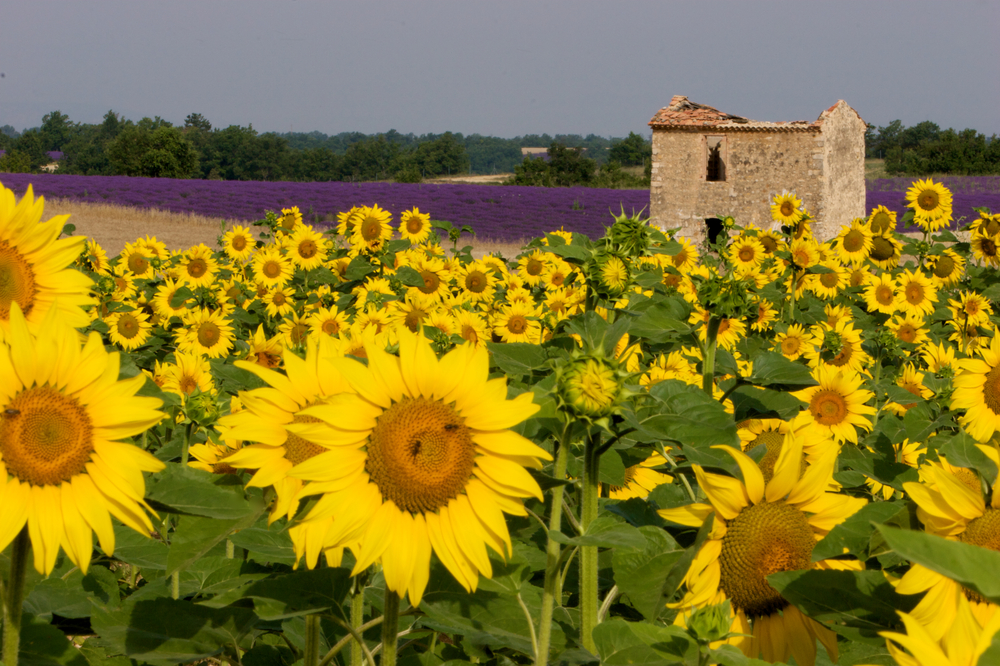
The region of Provence has a lot to offer – experience the beauty of the blossoming lavender fields in the summer, the limestone crags of the Alpilles and the wetlands of the Camargue, a natural wonderland and home of white horses, black bulls and pink flamingos. The mountains provide both pedestals for Provence's ‘villages perchés’ (hill towns) and a backdrop that resembles one vast garden, with fragrant fields of lavender among silvery olive groves. Whether you want to enjoy lively Marseille or want to explore the charming Provençal villages, Provence has something to offer to everyone and so do we - we have everything from luxurious holiday properties to charming cottages in the Provençal countryside.
Our holiday villas in the Provence region will offer you the perfect accommodation for exploring the Provence region and are only a short drive away from the airports of Marseille, Toulon and Avignon. We have many large capacity villas that are prefect for family or group holidays – have a look at our Holiday Villas in Provence.
Provence has a heart and soul of culture and art, being home or holiday destination for many infamous artists and writers. Inspire your creativity and visit the favourite region of Cézanne, Van Gogh, Matisse and Picasso by renting one of our exclusive villas in Provence.
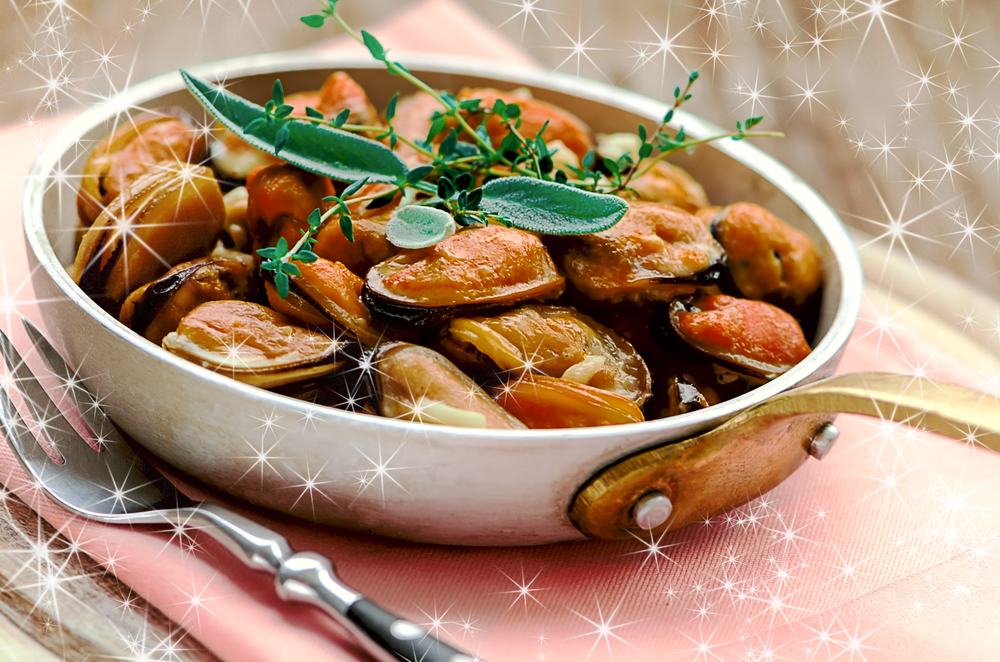
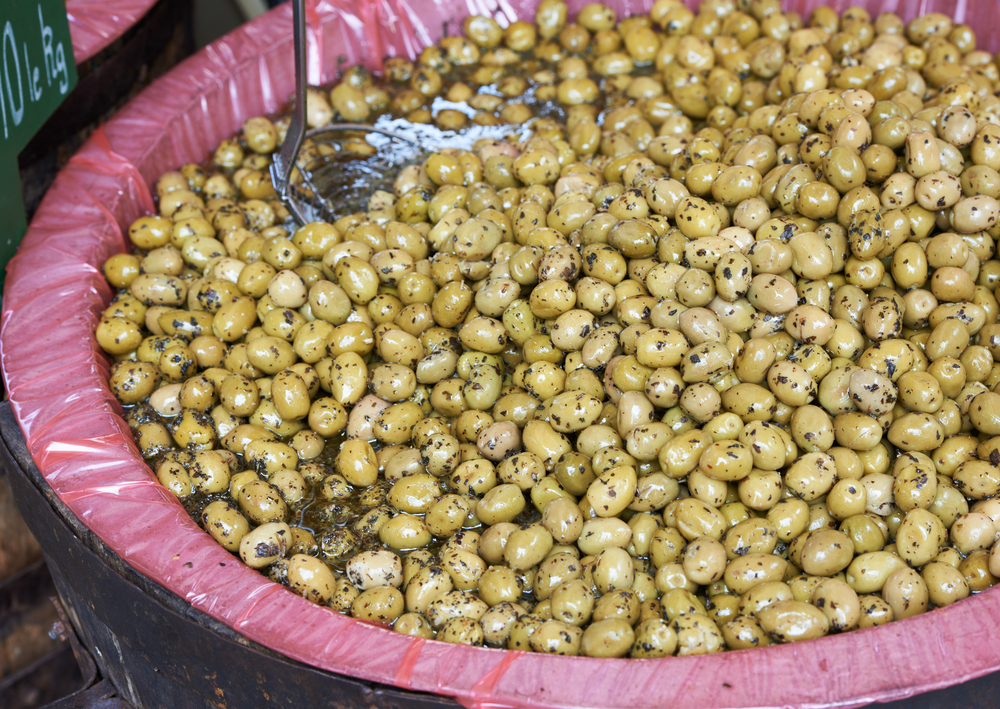
Holidays in Provence are full of taste and colour and the best way to experience these is from the comfort of your private holiday villa rental in the Provence region - local gastronomic delicacies include Bouillabaisse - fish soup served with rouille (a spicy, garlic mayonnaise), croutons and grated cheese, Tapenade - paste made of black olives, capers and anchovies, Ratatouille - a vegetable stew and Fougasse - Provençal bread. Stay in one of our private holiday villas in Provence and try all of them!
The Main Towns
Aix-en-Provence
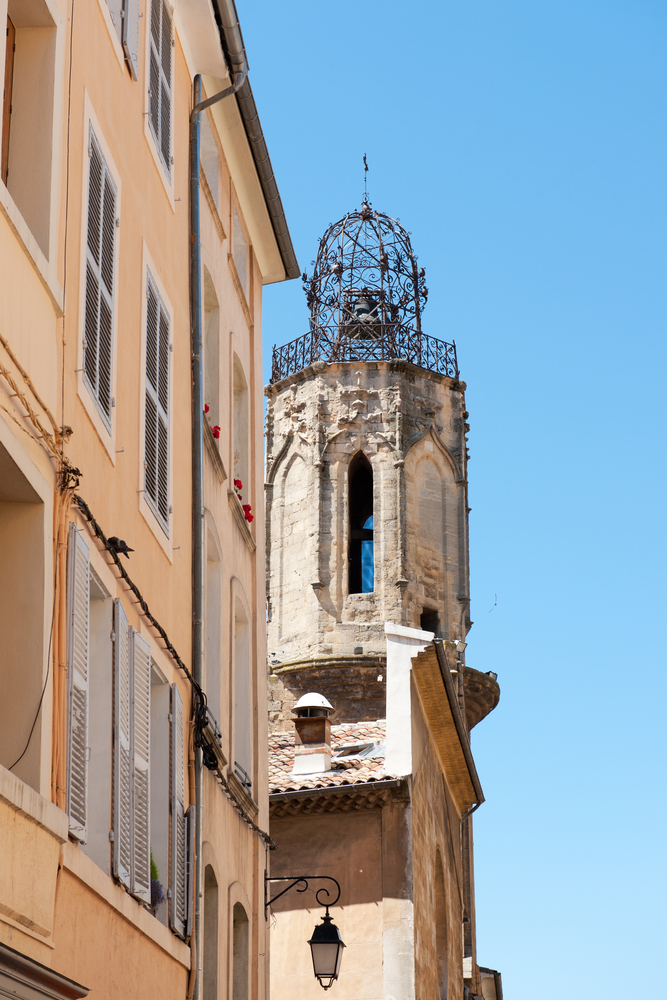
Capital of Provence from the 12th to 18th centuries. Beautiful avenues lined with cafés and lively medieval streets nearby. There are numerous fountains in the city which is why it is often referred to as the city of a thousand fountains. You can find a natural hot water (34°C) fountain on Cours Mirabeau, the main street of Aix. If you walk down the Cours Mirabeau towards La Rotonde, you can find the main landmark of Aix-en-Provence, the beautiful Fontaine de la Rotonde. The city hosts a big classical musical festival during August. The town is set on the edge of the Rhône plain with Cézanne's hills rising up to the east. The Arc river flows through the town. The architecture is a mixture of styles and ages, from the medieval to the 17th century. The most famous brasserie in Aix is the Deux Garçons on Cours Mirabeau. This restaurant has celebrated past customers such as Paul Cézanne, Émile Zola and Ernest Hemingway. If you want to enjoy a glass of local wine, Au P’tit Quart d’Heure in Place Forum des Cardeurs is the place to be – this little wine bar is very popular amongst the tourists and locals so make sure you go there early in the evening if you wish to sit down. Aix-en-Provence is a thriving university town, being home to many prestigious institutions, with a young population making it a lively and busy place. Don't forget to try the speciality of Aix-en-Provence - Calissons, a type of marzipan confectionary made from almond paste and crystallised melon. Various markets with local products are held in the heart of Aix every day. They are usually open from early morning until lunch time. Getting to one of our holiday properties in the Aix-en-Provence area is easier than ever - Marseille airport is only 30 minutes away from this stunning city so you can start your holiday immediately in the villa you have rented! Check out the beautiful Provence Holiday Villa - Villa du Jardin, situated close to the centre of Aix-en-Provence, and boasting a private swimming pool, a large garden and within walking distance of a Provencal village.
Arles
Arles has an exceptionally rich and varied ensemble of Roman and early Christian splendours. The whole town is filled with beautiful roman architecture, ruins and history. Make sure you visit the Roman arena (still used for bull-fights today), Theatre Antique, and the Roman Baths, the crypts and the lovely former cathedral, Saint Trophime. The town is also famous as the home of Vincent Van Gogh during his most productive period. Many of his paintings depict the architecture and the countryside that surround Arles. Visit the Van Gogh Cafe in the Place de Forum for a coffee or a light lunch. The cafe, featured in his painting from 1888, was reportedly his favourite hangout – it is hard to miss as it’s painted bright yellow! A large part of the Camargue is situated in the commune of Arles - a perfect place for your holiday if you like outdoors, love history and culture and appreciate gorgeous beaches. You can now choose your Provencal holiday property from the wide selection we have and explore this stunning area for yourself!
Avignon
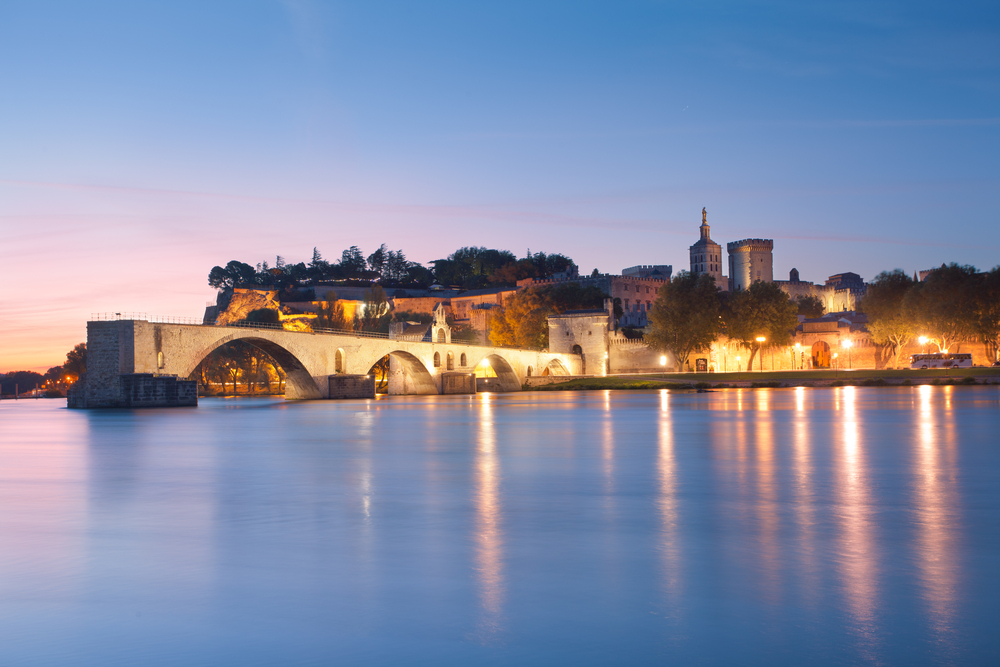
The city is not famous for its 'Pont' only, a stunning 15th bridge that crosses the Rhône. Avignon was briefly one of the great capitals of Europe in the 14th century, during the time the Popes ruled here and built their mighty palace. Today it is one the most sophisticated and fashionable towns of France. The shops are smart, and life goes on well past midnight in the cafés and bistros around the Place de l'Horloge. Avignon becomes busy especially in July, during the theatre festival which is one of Europe's great cultural events. There are many interesting museums and monuments to visit in Avignon, one of the most important being the Pope’s Palace (Palais des Papes). Its listing on the UNESCO World Heritage reflects its standing as one of the largest and most important medieval Gothic buildings in Europe. Built on a natural rocky outcrop, the Palace overlooks the Rhône River. The building was enormously expensive, consuming much of the papacy's income during its construction. This city is a fascinating place to visit - we have a selection of stunning villa rentals near to Avignon where you can spend your perfect French holiday!
Carpentras
A prosperous old market town on the banks of the Auzon. Music and opera festival mid-July to mid-August. The town is famous for its truffle markets held through the winter until early spring.
Cavaillon
A leading market centre for fruit and vegetables – don’t forget to try its famous melons! 16th century steps carved out of the solid rock lead up to the Mont Saint Jacques and the Chapelle Saint Jacques for spectacular views over the town below.
Marseille
France's oldest town founded in 600BC. Hemmed in by bare limestone hills, the city sprawls around its beautiful bay, but its focus is the narrow inlet of the Vieux Port, where the ancient Greeks built their colony. Opposite is the fortress island, Isle d'If - home of Alexander Dumas' Count of Monte Cristo. The island can be reached by boat from Marseille’s Vieux Port. Make sure you visit Marseille’s Notre-Dame de la Garde, a Catholic basilica located at the highest natural point in Marseille – on a clear day the view from the basilica is magnificent. The easiest way to get there is by the tourist-train or bus number 60 from the Vieux Port. Marseille is the capital of the Bouches-du-Rhône department and the second biggest city in France with a huge, bustling commune influenced by many different cultures. The heart of Marseille is the port which drives its economy. Marseille boast a beautiful opera house, home to the Ballet National de Marseille. Bringing it into the 21st century Marseille is well known for its rap music and also hosts many music and media festivals such as the International Documentary Festival. The city was also the Capital of Culture in 2013. Marseille is a perfect city to visit if you have had enough sitting by the pool in one of our private villas in Provence - the city is easy to reach from your rented holiday property!
Orange
The city has the finest and best-preserved of all Roman Theatres, protected by the UNESCO World Heritage Centre. It is famous for the Chorégies d'Orange, an international opera festival founded in the 1869 and which takes place in the Roman Theatre.
Toulon
Toulon is the fourth largest French city on the Mediterranean coast and has a major naval base. It occupies a superb setting around a deep natural harbour sheltered by a ring of high bare hills crowned by old forts. The historic centre of Toulon has narrow pedestrian streets, small squares and many fountains. The Place de la Liberté, the Grand Hôtel, the Gardens of Alexander I, the Chalucet Hospital, the Palais de Justice are all breathtakingly beautiful 19th Century buildings situated in the upper town. Toulon is a popular rugby town with its team RC Toulon in the Top 14. This city is situated right next to the beautiful Côte d'Azur making it easy to visit various beaches and sights - we have a selection of gorgeous villas close to Toulon making it simple to explore both Provence and Côte d'Azur!
Other Places to Visit: Provence
Les Alpilles
South of Avignon the parched and craggy Alpilles hills rise dramatically out of a broad plain. They contain a number of famous little towns and villages that are the very quintessence of Provence, including Saint-Rémy-de-Provence with Roman Glanum (an excavated of ancient site at the foot Mont Gaussier) and the most renowned of all the hill villages, the 11th century Les Baux-de-Provence.
Beaucaire
A historic medieval town with an imposing 12th century ruined castle overlooking the river Rhône. There is a delightful river marina which is bordered with restaurants and bars.
The Luberon
A beautiful range of limestone hills and a fertile plateau with vineyards and lavender fields. The Luberon is composed of three mountain ranges: the Little Luberon, the Big Luberon and the Oriental Luberon, lying in the middle of Provence in the far south of France. The valley between them contains a number of towns and villages as well as agricultural land. There are numerous picturesque hill-top villages such as Gordes, Ménerbes, Saignon and Bonnieux. The Luberon is a popular French holiday destination and tourist attraction so the population of the area increases greatly over the warm summer months. The area is rich in flora and fauna and is a biologically diverse area. Check out one of our beautiful holiday villas, The Cypresses-Stone Bastide, situated close to Gordes, one of the most stunning villages in the South of France.
Vaison-la-Romaine
Considered to be the "French Pompeii". Excavations provide a vivid insight into what daily life was like in Roman Gaul. Across the river, terraces of narrow cobbled streets line the hillside below the castle.
Isle-sur-Sorgue
The river Sorgue divides into 5 branches, making this delightful market town into a place of waterways with numerous watermills. The town has no fewer than 300 antique shops, making it France's second biggest antiques centre after Paris.
The Callanques
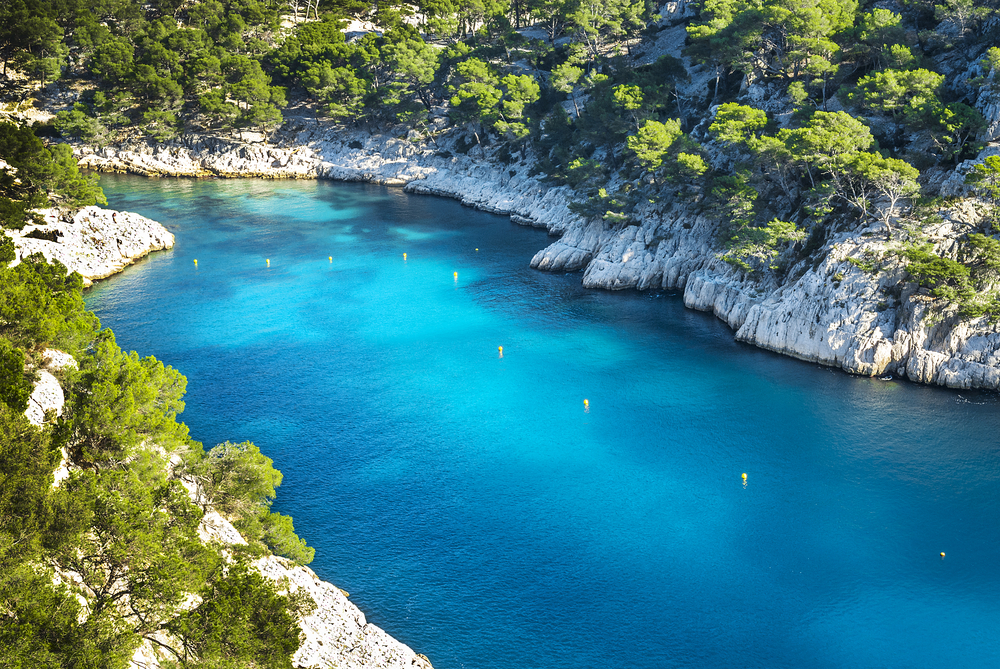
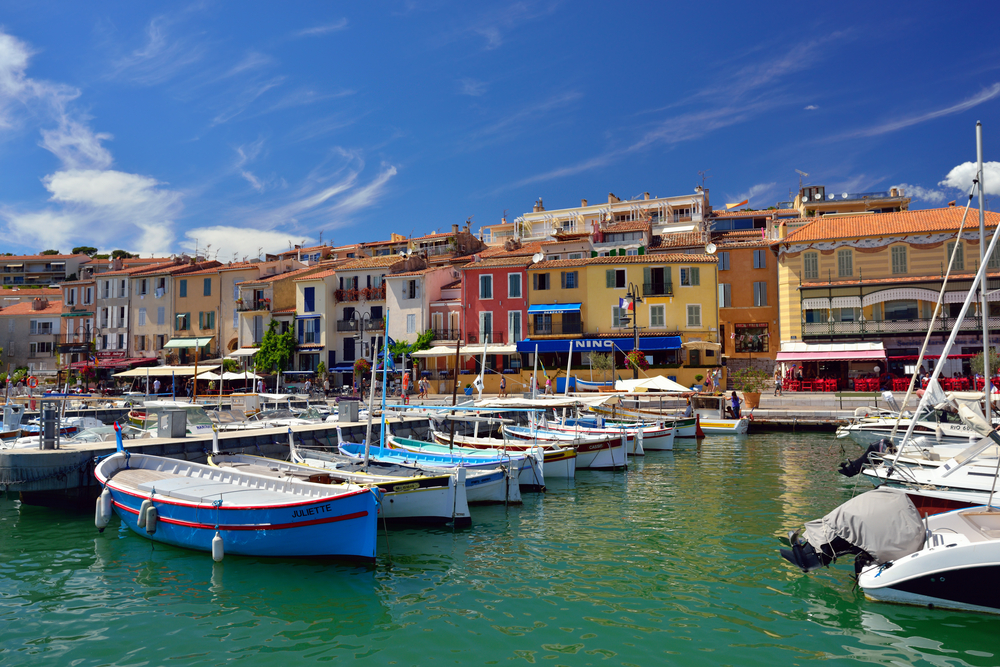
A wonderful bit of wild rocky coastline between Marseille and the pretty fishing port of Cassis. The 'callanques' are the narrow inlets flanked on either side by high limestone cliffs. These beautiful rocky hills are covered in wild heather and gorse. Very popular amongst locals and tourists. The Callanques are a perfect place to spend a sunny day and easy to explore when you are renting one of our luxury retreats in Provence.
The Camargue
A wide expanse of lagoon and marshy plain, within the delta of the Rhône. A flat and windswept expanse of land, though at first may sound unappealing, is home to a wealth of flora and fauna. Herds of black bulls and half-wild white horses roam the salty marshes and at dusk a flock of flamingos may suddenly fly up from the reeds of the lagoon. An excellent way to see the Camargue is with a Promenade en Bateau from Saintes-Maries-de-la-Mer. A boat ride that takes you up the delta of the Petit Rhône river to see the wild bulls, the wild horses and flocks of flamingos! The Camargue is also home to Aigues-Mortes which is famous for its medieval city walls and the fabrication of Fleur de sel, a type of salt made in the salt flats of the marshland. See the world-famous flamingos and white horses yourself and have a look at the luxurious villas and gites we have to rent in Provence.
Sainte-Maries-de-la-Mer
Is like Mediterranean seaside resorts used to be; quiet and gentle with unspoilt and uncrowded beaches. The beautiful church in the centre of town is well worth a visit. For a couple of Euros you can climb up the tower to the slanted roof and take in the formidable view over the town and the stretching flat marshlands of the Camargue and the Mediterranean coastline. The culture in Saintes-Maries is hugely influenced by Spain which can be noticed in gastronomy, music and festivals. The Town square is taken up most of the time by petanque players, but in July it hosts the Fête de Cheval and throughout the week there are various markets selling food, antiques and bric-a-brac. The summer months are busy in Saintes-Maries, with many festivals celebrating the Carmagais history and culture. The Arena, situated on the beach, hosts Abrivades (bull herding on horses through the town) and Corridas (bull-fighting). In the evening the cafes that line the main street are the place to be, they often have live music - always with a very Spanish feel. Visit the lively 'La Bodega' bar on the market square for some early evening tapas and a glass of the local wine - the 'vin des sables' (vines grown in sand).
The Vaucluse
One of the southern departments bordered by the Rhône and the river Durance. The department has one of the most fertile plains in the South of France which is why fruit and vegetables are planted in great quantities. Vaucluse is known for its karst, including the karst spring Fontaine-de-Vaucluse which is a very popular and beautiful place to visit. Avignon, Orange, Carpentras, Cavaillon and Apt are all situated in the Vaucluse - we have an amazing selection of villas for rent in the Vaucluse area,


